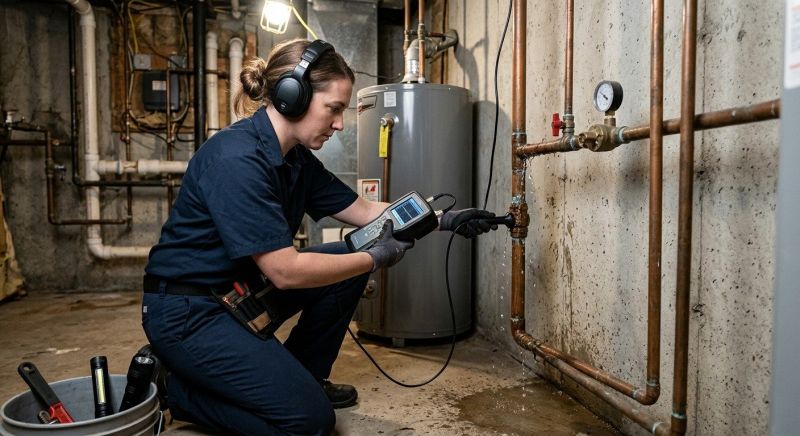
Pipe Leak Detection in Denver, CO
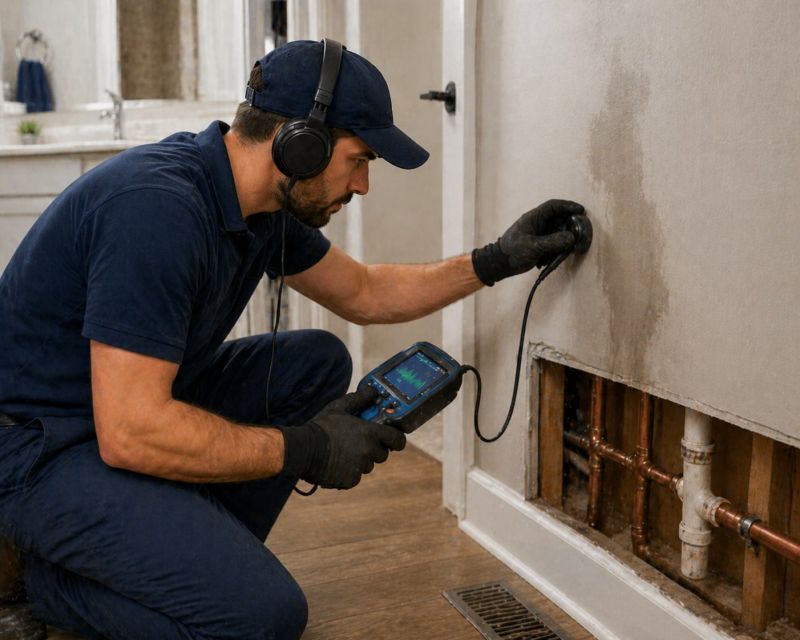
Pipe leak detection services involve identifying the precise location of leaks within a property's plumbing system. These services are commonly requested for projects such as hidden leaks behind walls, under floors, or within underground pipes, as well as for detecting leaks in residential and commercial plumbing lines. Property owners typically want to understand the presence of leaks that may cause water damage, increased utility bills, or structural issues, and seek accurate pinpointing before proceeding with repairs or pipe replacements.
Before requesting pipe leak detection, property owners should consider the age and condition of their plumbing system, as well as any signs of water intrusion, such as damp spots, mold, or unusual sounds in pipes. Clear information about the location of suspected leaks or recent water-related problems can help ensure the detection process is efficient. Understanding the scope of the plumbing system and any existing plumbing diagrams can also assist in planning the detection process effectively.
Many property owners in Denver, CO look into Pipe Leak Detection for repairs, replacements, upgrades, and appearance-related improvements.
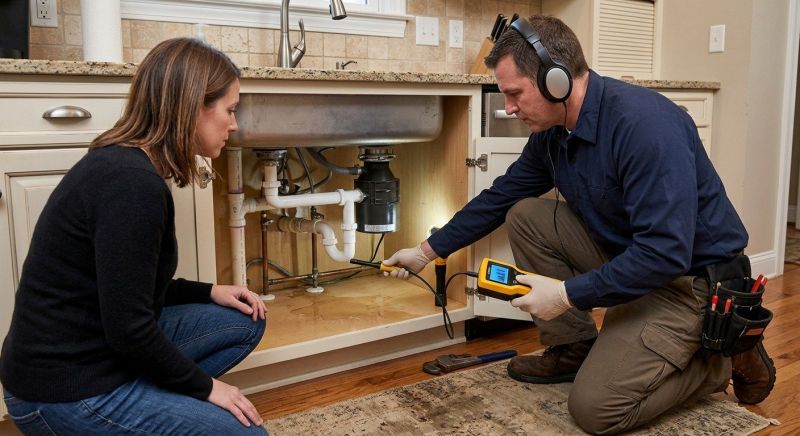
Identifying Hidden Leaks
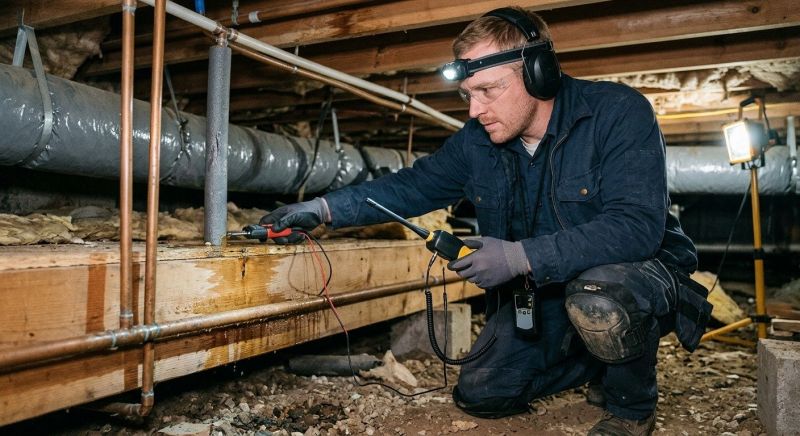
Advanced detection methods help locate leaks that are not visible on the surface.
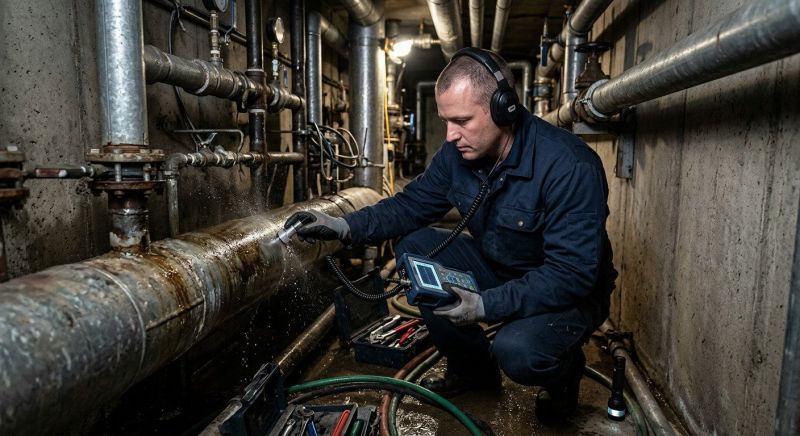
Preventing Water Damage
Early leak detection can minimize property damage and reduce repair costs.
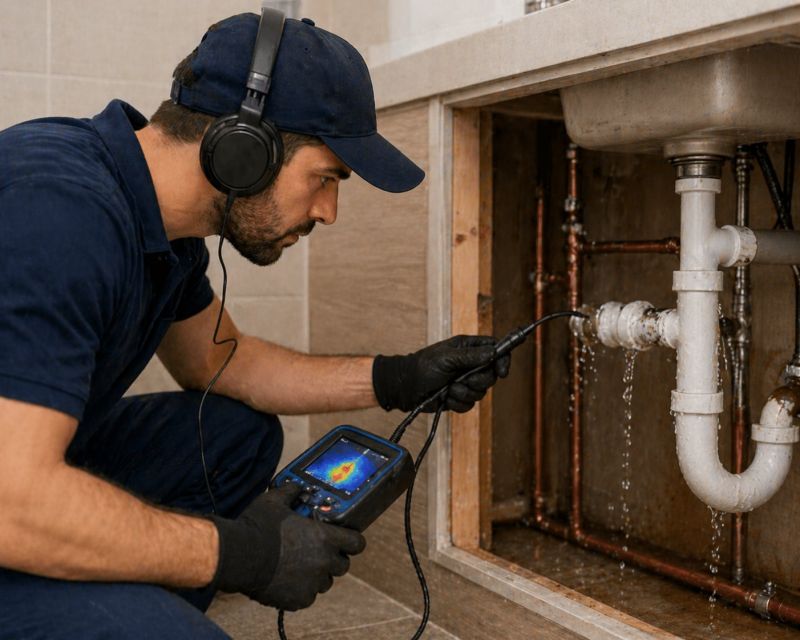
Maintaining Plumbing Integrity
Regular inspections ensure the plumbing system remains reliable and efficient in denver homes.
Pipe Leak Detection in Denver, CO

Pipe leak detection services involve identifying the precise location of leaks within a property's plumbing system. These services are commonly requested for projects such as hidden leaks behind walls, under floors, or within underground pipes, as well as for detecting leaks in residential and commercial plumbing lines. Property owners typically want to understand the presence of leaks that may cause water damage, increased utility bills, or structural issues, and seek accurate pinpointing before proceeding with repairs or pipe replacements.
Before requesting pipe leak detection, property owners should consider the age and condition of their plumbing system, as well as any signs of water intrusion, such as damp spots, mold, or unusual sounds in pipes. Clear information about the location of suspected leaks or recent water-related problems can help ensure the detection process is efficient. Understanding the scope of the plumbing system and any existing plumbing diagrams can also assist in planning the detection process effectively.
Many property owners in Denver, CO look into Pipe Leak Detection for repairs, replacements, upgrades, and appearance-related improvements.
Common Pipe Leak Detection Jobs
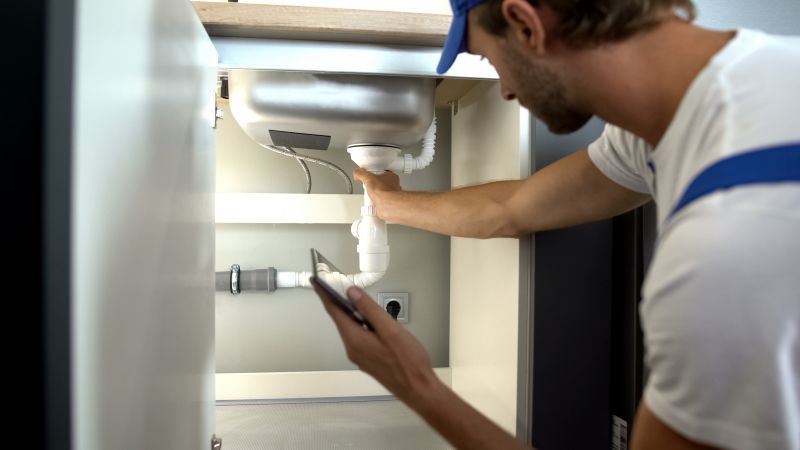
Residential plumbing inspections - identify hidden leaks in pipes behind walls and under floors.
Underground pipe testing - locate leaks in buried water lines without extensive excavation.
Commercial property leak detection - ensure business water systems are free of leaks to prevent damage.
Emergency leak detection - quickly find leaks causing sudden water loss or flooding.
Pipe integrity assessments - evaluate the condition of aging or damaged pipes for potential leaks.
Drain and sewer line testing - detect leaks or blockages in main sewer lines to prevent backups.
Pipe Leak Detection Questions
How can pipe leak detection help homeowners? It identifies hidden leaks that can cause water damage and increase utility bills, allowing for targeted repairs.
What types of leaks can be detected? Both visible leaks and those inside walls, floors, or underground can be located using specialized detection methods.
Is pipe leak detection suitable for all property types? Yes, it can be used in residential, commercial, and industrial properties to find leaks efficiently.
What are common signs of hidden pipe leaks? Signs include unexplained increases in water bills, mold growth, damp spots, or persistent odors.
Request Pipe Leak Detection in Denver, CO
Use the quote form on this page to share the basics of your project and request more information for the type of work you need.