Spring Inspection Services to Prepare Your Septic System
Start spring planning by connecting with trusted local contractors who can inspect, maintain, and ensure your septic system is ready for the season ahead.
Spring is a popular season for septic inspections because it often coincides with property maintenance routines and seasonal upgrades. As the weather warms, many property owners begin preparing for outdoor activities, gardening, and home improvements, making it an ideal time to assess the condition of septic systems. Conducting an inspection in spring can help identify any issues that may have developed during the winter months, such as blockages or system backups, ensuring the system is functioning properly before the busier summer season. Additionally, spring inspections can be part of broader property checkups, providing peace of mind and helping to prevent unexpected problems during peak usage times.
Typically, septic inspection services cover a thorough evaluation of the entire septic system, including the tank, drain field, and connecting components. Service providers may perform visual assessments, check for signs of leaks or damage, and evaluate the overall health of the system. Some inspections involve the use of specialized equipment to measure tank levels or inspect the interior of the tank, ensuring that solids are properly contained and that the system is operating efficiently. Regular inspections can help detect early signs of failure, such as slow drains or foul odors, allowing property owners to plan necessary repairs or maintenance before more serious issues arise.
When comparing local service providers for septic inspections, property owners should consider a few practical factors to find the best fit. It can be helpful to review the range of services offered, ensuring that the provider covers all aspects of septic system evaluation. Checking for experience and reputation within the community can provide insight into the quality of work and reliability. Additionally, comparing how providers communicate and what types of inspection methods they use can help determine which contractor aligns best with individual needs. Utilizing local directories or trusted referral sources can make it easier to connect with experienced service providers who understand the specific requirements of properties in the area.
Compare local contractors to find the right septic inspection services that meet your spring maintenance needs.
- Septic System Inspection - Local contractors can assess the condition of septic systems to ensure proper function.
- Preventative Maintenance - Regular inspections help identify potential issues before they become costly repairs.
- Seasonal Planning - Spring is an ideal time to evaluate septic systems as part of seasonal home maintenance.
- Expert Recommendations - Service providers can offer advice on necessary repairs or upgrades based on inspection results.
Before comparing options, clearly describe your septic inspection project to connect with trusted local contractors.
- Septic system inspection - Check for signs of system failure such as slow drains, foul odors, or pooling water near the drain field.
- Tank condition assessment - Ensure the septic tank is free of cracks, corrosion, or signs of leaks that could lead to system failure.
- Drain field evaluation - Look for areas of standing water or overly lush grass that may indicate drainage issues.
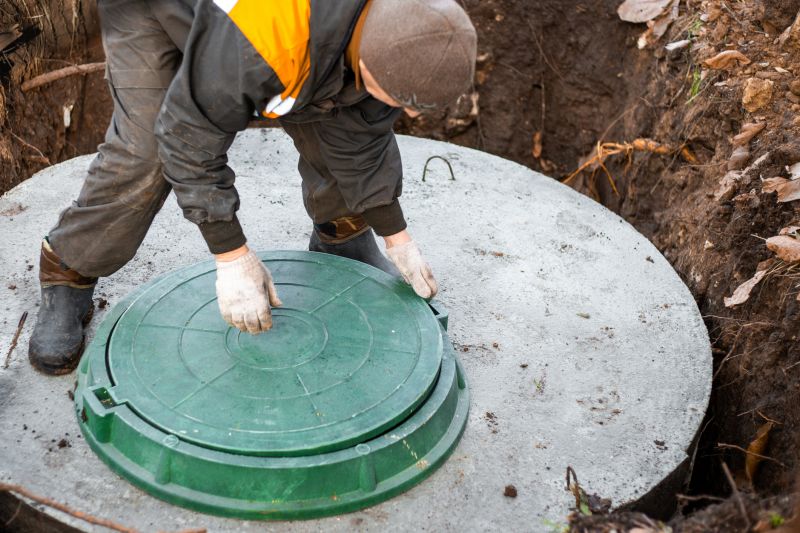
- Component inspection - Verify that access lids, pumps, and filters are in good condition and functioning properly.
- Flow and performance check - Assess the flow of wastewater through the system to identify potential blockages or backups.
- Maintenance recommendations - Consider advice from local contractors on needed repairs or routine maintenance to keep the system functioning efficiently.
Use this as a springboard to identify local contractors who can assist with septic inspections and refine your project scope.
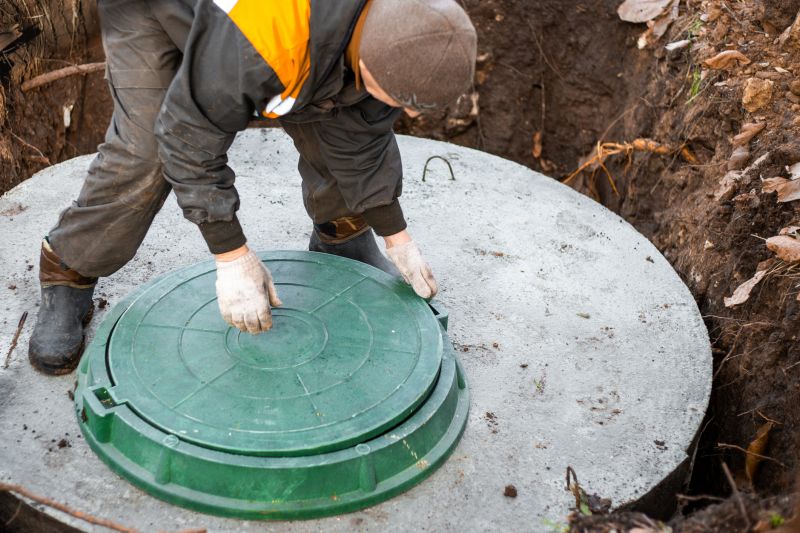
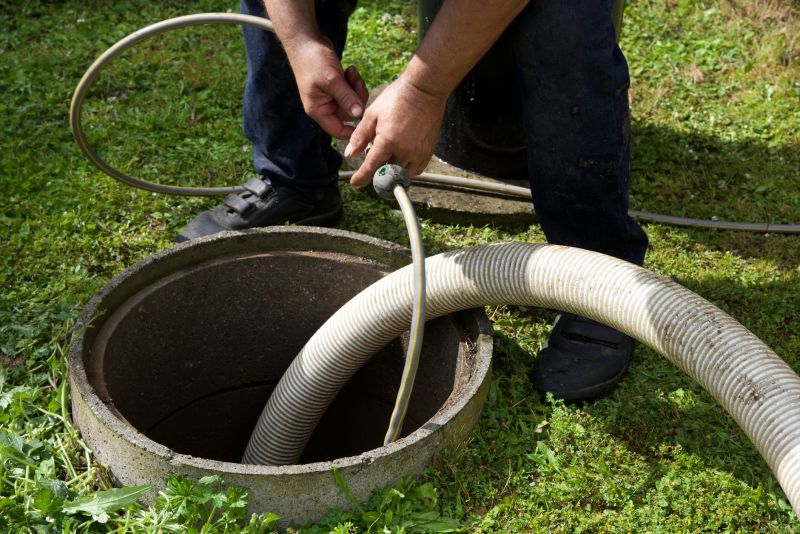
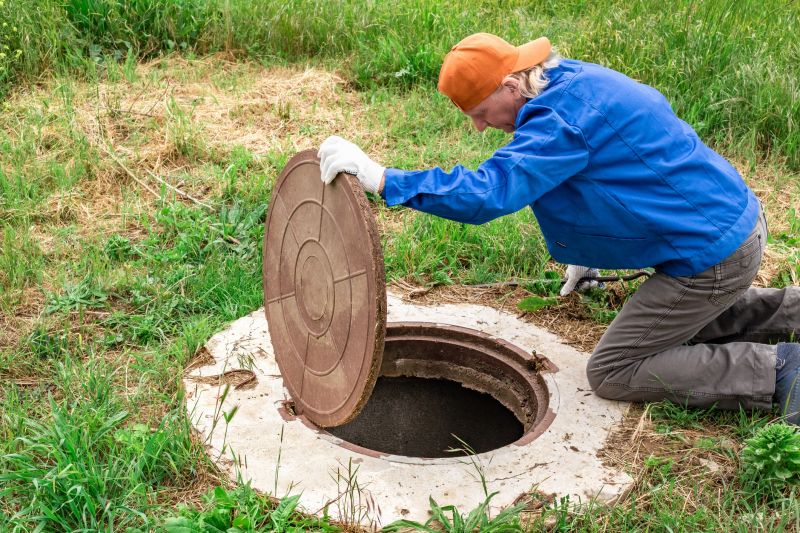
Spring is a great time to plan septic inspections by comparing local contractors and setting priorities for your project.
- Septic System Inspection - Spring is a practical time to have local contractors assess the condition of a septic system after winter. They can identify potential issues early and recommend necessary repairs or maintenance.
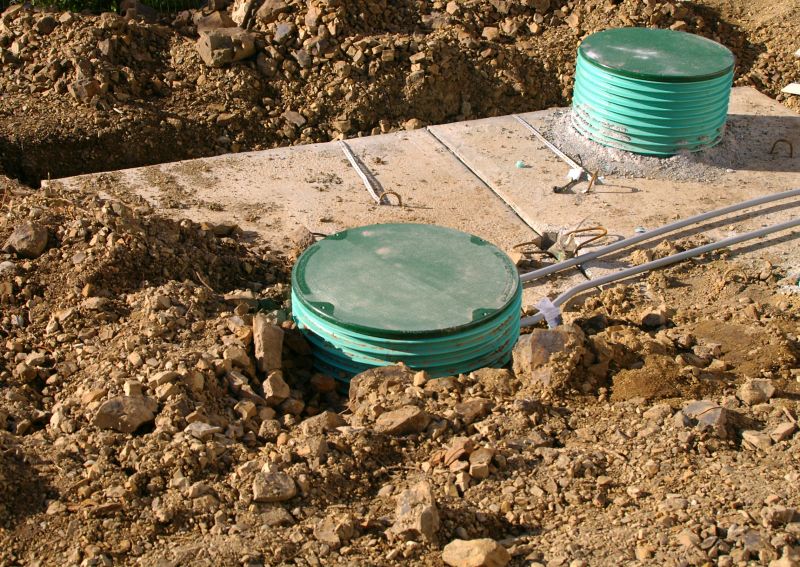
- Drain Field Evaluation - Conducting a drain field inspection in spring helps ensure proper drainage and prevents backups during the upcoming warmer months.
- Tank Inspection and Cleaning - Local service providers can evaluate septic tanks for signs of wear or damage and perform cleaning to maintain optimal function.
- Leak Detection - Spring inspections can uncover leaks or early signs of failure, allowing for timely repairs before problems worsen.
- System Pumping - Spring is an ideal season for septic system pumping, which helps prevent overflows and extends the lifespan of the system.
Use this guide to compare septic inspection services from local contractors and ensure consistent evaluation standards.
- Visual Inspection - Assess the septic system components for signs of damage, corrosion, or deterioration.
- Drain Field Evaluation - Check the condition and functionality of the drain field for proper drainage and potential issues.
- Tank Accessibility - Determine the accessibility of the septic tank for inspection and pumping if necessary.
- System Components Review - Examine pumps, filters, and alarms to ensure they are in proper working order.
- Operational Testing - Verify the septic system’s operation by observing flow and checking for leaks or backups.
When selecting service providers for a septic inspection during the spring season, it is helpful to consider their experience with similar projects. Homeowners should look for local contractors who have a proven track record of performing inspections in environments comparable to their property. An experienced professional will be familiar with common issues that arise during spring, such as increased moisture levels or seasonal soil conditions, and can bring relevant expertise to ensure a thorough assessment. Evaluating how long a contractor has been working in the area and their familiarity with local septic systems can provide insight into their ability to handle seasonal challenges effectively.
Having a clear, written scope of work is essential when comparing local service providers for septic inspections. A well-defined scope outlines the specific tasks involved, such as inspecting the septic tank, examining drain fields, and evaluating system components. This clarity helps homeowners understand what is included in the inspection and ensures that all necessary aspects are covered without ambiguity. Service providers who can articulate their process in detail demonstrate professionalism and transparency, making it easier to compare options based on the comprehensiveness of their approach.
Work planning considerations are particularly important during the spring when seasonal conditions can influence inspection procedures. Homeowners should inquire about how local contractors plan their work around existing site conditions, such as wet or muddy soil, and whether they have protocols for addressing these challenges. A proactive contractor will consider access to the septic system, potential disruptions, and the timing of the inspection to minimize inconvenience and ensure safety. Understanding how each provider plans their work can help homeowners select a professional who is prepared to adapt to spring-specific site considerations.
Evaluating options for septic inspection services involves assessing the experience, scope, and planning approach of local contractors without focusing on pricing. Homeowners can compare how clearly each provider communicates their services, the level of detail in their scope, and their readiness to handle seasonal site conditions. Asking about their familiarity with local soil and system types can also reveal their ability to deliver reliable inspections. By considering these factors, homeowners can make informed choices, connecting with service providers best suited to meet their spring inspection needs effectively.
Request written scope details from local contractors to ensure clarity and consistency for your spring septic inspection.
- Septic Inspection Services - What specific areas do different providers include in their septic inspection scope?
- Comparison of Septic Inspection Services - How do local contractors differ in their approach to evaluating septic system condition?
- Scope of Septic Inspection Solutions - What types of tests or assessments are typically performed during a septic inspection?
- Septic System Evaluation Options - How do providers vary in their methods for identifying potential septic system issues?
- Spring Septic Inspection Planning - What should be clarified about the extent of inspection services offered by local contractors?
What is a septic inspection? A septic inspection involves evaluating the condition of a septic system to ensure it functions properly and is free from issues that could cause backups or leaks.
Why should I consider a septic inspection in spring? Spring is a good time to check your septic system after winter, helping to identify and address any problems early as you prepare for the warmer months.
What are common signs that a septic system needs inspection? Signs include slow drains, unpleasant odors, pooling water near the septic tank, or lush, green patches in the yard indicating possible leaks.
How do local contractors perform septic inspections? They typically examine the tank’s condition, check for proper drainage, and assess the overall system to identify any repairs or maintenance needed.
What should I expect during a septic inspection? The process usually involves inspecting the tank, testing system components, and reviewing the drain field to ensure everything is functioning correctly.
How can I find local service providers for septic inspections? This website helps connect homeowners with local contractors experienced in septic system evaluations to handle inspections efficiently.
This guide has outlined the importance of septic inspections for maintaining a healthy and efficient system, especially as part of spring home care routines. Visitors now understand how regular evaluations can help identify potential issues early, ensuring the longevity and proper functioning of septic systems. To explore options and find trusted local contractors who can handle septic inspections, use the quote form to compare providers in the area and connect with professionals equipped to meet specific needs.
By utilizing the quote form, visitors can easily compare local service providers specializing in septic inspections, making it simple to find suitable options for spring planning. This process helps identify experienced local contractors who can assist with inspection services, supporting informed decisions and smooth project execution.
Providing clear details about your septic inspection project helps local contractors understand your needs and offer the best assistance.
- Inspection Details - information about what the septic inspection process involves and what areas will be checked.
- Preparation Tips - guidance on how to prepare your property for a septic inspection to ensure thorough assessment.
- Service Provider Qualifications - details about the experience and tools that local contractors use to perform septic inspections.
- Inspection Outcomes - explanations of common findings and what they might mean for your septic system’s health.