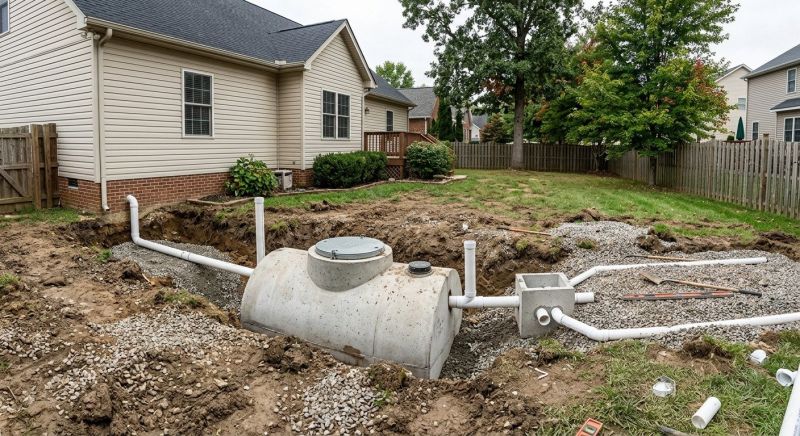
Septic System Relocation in Denver, CO
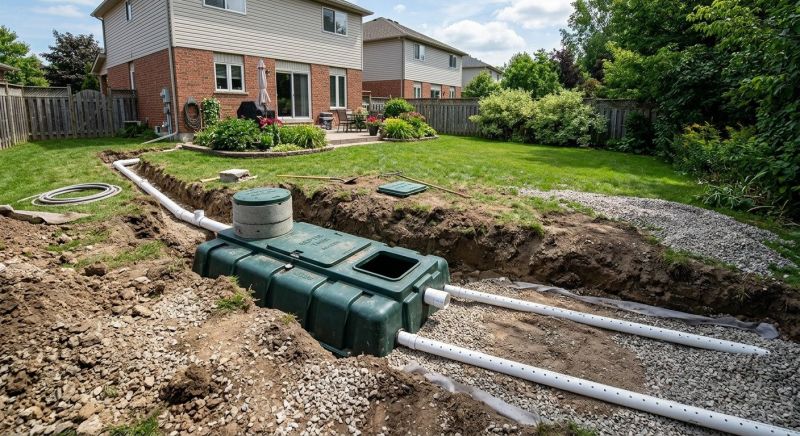
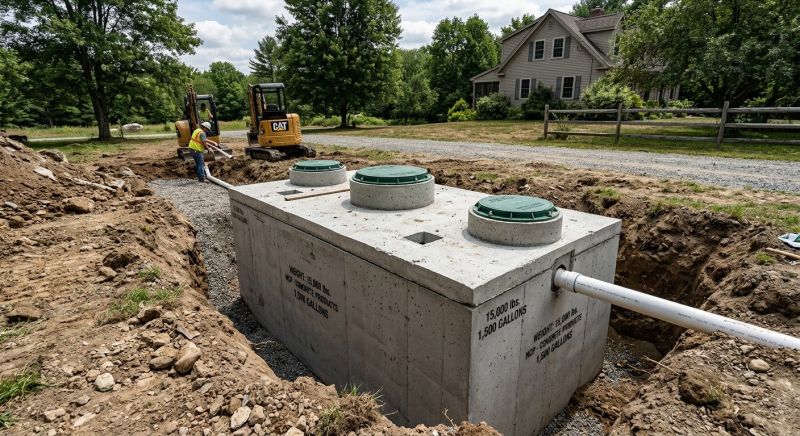
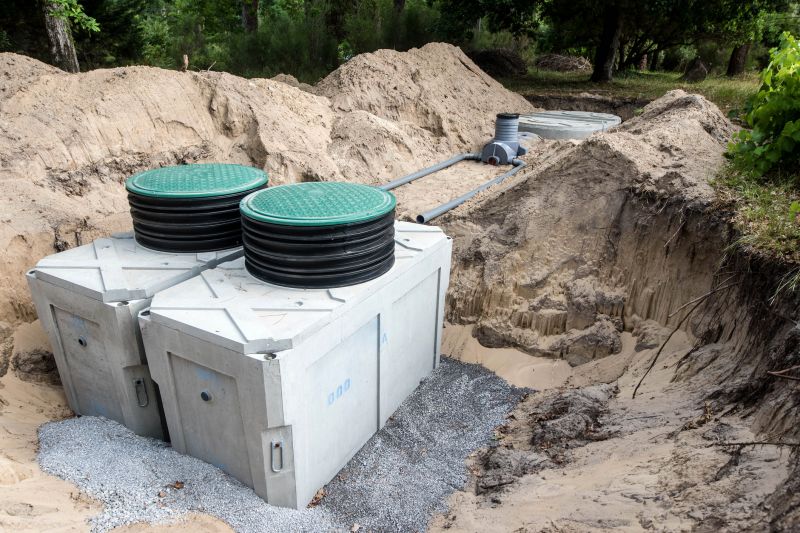
Septic system relocation services involve moving an existing septic system to a different area on a property. This process is often necessary when a homeowner plans to build new structures, expand outdoor living spaces, or make significant changes to the landscape that interfere with the current septic location. Projects can range from shifting the system to accommodate new construction to repositioning it for better accessibility or to meet updated regulatory requirements. Property owners typically want to understand the scope of excavation, potential impact on the property, and any necessary permits or approvals before requesting this service.
Before requesting septic system relocation, property owners should consider factors such as the new site’s suitability, distance from wells or water sources, and soil conditions. It’s also important to evaluate the existing system’s condition and whether it can be reused or needs replacement. Understanding local regulations and any restrictions related to septic system placement can help ensure the project proceeds smoothly. Clear communication about the property’s layout and future plans can assist in determining the best location for the new system, ensuring it functions properly and complies with all relevant standards.
Many property owners in Denver, CO look into Septic System Relocation for repairs, replacements, upgrades, and appearance-related improvements.
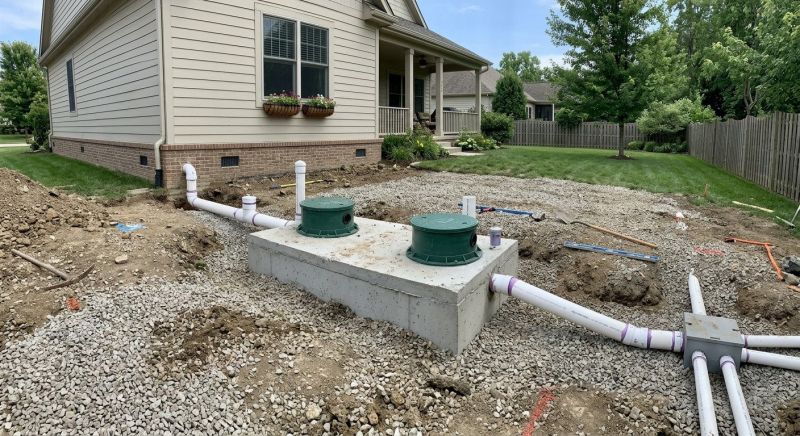
Septic System Relocation Planning
Assessing site conditions and designing a suitable new location for the septic system.
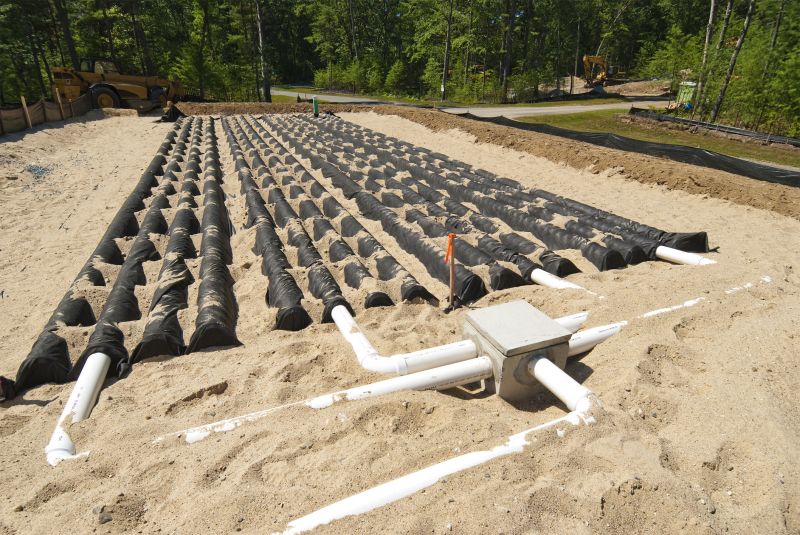
Septic System Moving Process
Safely disconnecting, transporting, and reinstalling the septic system to minimize disruption.
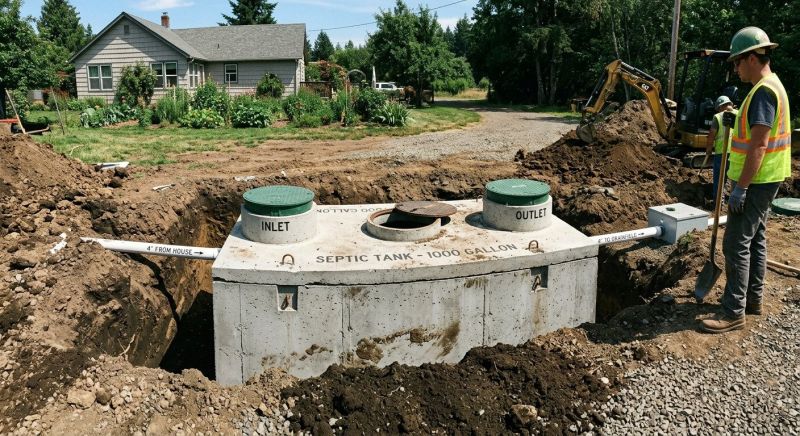
Post-Relocation Maintenance
Ensuring proper system operation and compliance with local regulations after the move.
Septic System Relocation in Denver, CO

Septic system relocation services involve moving an existing septic system to a different area on a property. This process is often necessary when a homeowner plans to build new structures, expand outdoor living spaces, or make significant changes to the landscape that interfere with the current septic location. Projects can range from shifting the system to accommodate new construction to repositioning it for better accessibility or to meet updated regulatory requirements. Property owners typically want to understand the scope of excavation, potential impact on the property, and any necessary permits or approvals before requesting this service.
Before requesting septic system relocation, property owners should consider factors such as the new site’s suitability, distance from wells or water sources, and soil conditions. It’s also important to evaluate the existing system’s condition and whether it can be reused or needs replacement. Understanding local regulations and any restrictions related to septic system placement can help ensure the project proceeds smoothly. Clear communication about the property’s layout and future plans can assist in determining the best location for the new system, ensuring it functions properly and complies with all relevant standards.
Many property owners in Denver, CO look into Septic System Relocation for repairs, replacements, upgrades, and appearance-related improvements.
Common Septic System Relocation Jobs
Septic System Relocation - involves shifting an existing septic system to a new location on the property.
Septic System Replacement - replaces an outdated or failing septic system with a modern, properly positioned setup.
Septic System Expansion - adds capacity to an existing system to accommodate increased property use or future growth.
Site Assessment and Planning - evaluates the property to determine the best location for the new septic system.
Permitting and Compliance - ensures the relocation meets local regulations and obtains necessary approvals.
Drainfield Relocation - moves the drainfield to a suitable area to improve system function and longevity.
Septic System Relocation Questions
Why might a property owner need to relocate a septic system? Septic system relocation is often needed when constructing new structures, expanding existing buildings, or addressing site constraints that prevent proper system placement.
What factors influence the complexity of a septic system relocation? Factors include the size of the system, site accessibility, soil conditions, and the proximity to existing utilities or property boundaries.
What should be considered before starting a septic system relocation project? It’s important to evaluate the new site’s suitability, obtain necessary permits, and assess the impact on property drainage and landscape.
What types of projects typically require septic system relocation services? Projects such as new home construction, property subdivision, or significant landscaping changes often require relocating a septic system.
Request Septic System Relocation in Denver, CO
Use the quote form on this page to share the basics of your project and request more information for the type of work you need.