Cost of Septic Inspection
Septic inspection costs can vary based on several factors, including the size and complexity of the system, the materials used, and site-specific conditions. The scope of the inspection, such as whether it involves a simple visual assessment or more detailed testing, can also influence the overall price. It is important to consider that final costs are typically determined by these variables, making it advisable to obtain multiple quotes for comparison.
When evaluating septic inspection options, it is helpful to understand that pricing may differ depending on local labor rates, accessibility of the system, and the extent of any necessary repairs or maintenance. Since project costs are influenced by site conditions and specific system requirements, consulting with professionals to get detailed estimates can provide a clearer understanding of potential expenses tailored to individual situations.
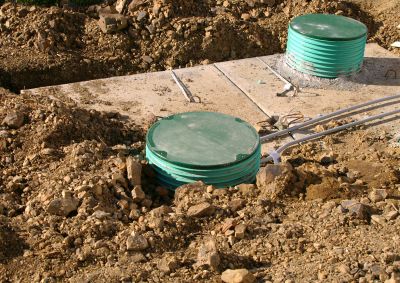
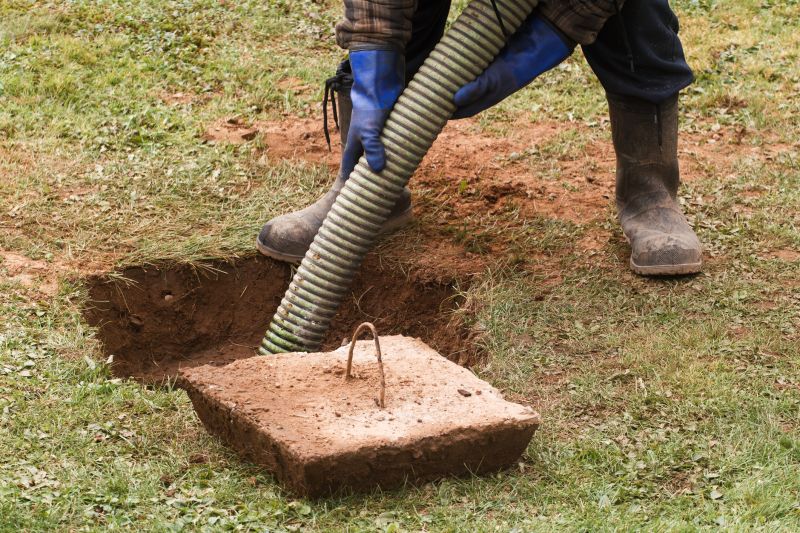
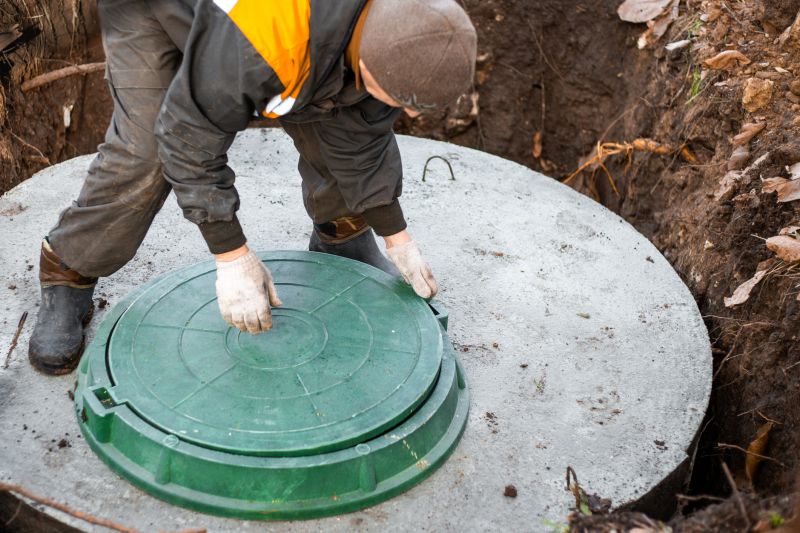
Estimated Cost Range
$1,200 - $2,800 (smaller scope)
$3,500 - $7,000 (more comprehensive)
| Project Type | Typical Range |
|---|---|
| Standard Septic Inspection | $1,200 - $2,800 |
| Full System Evaluation | $3,500 - $7,000 |
| Septic System Pumping | $300 - $600 |
| Drain Field Inspection | $1,000 - $2,500 |
| Septic Tank Replacement | $5,000 - $15,000 |
| Septic System Repair | $800 - $4,000 |
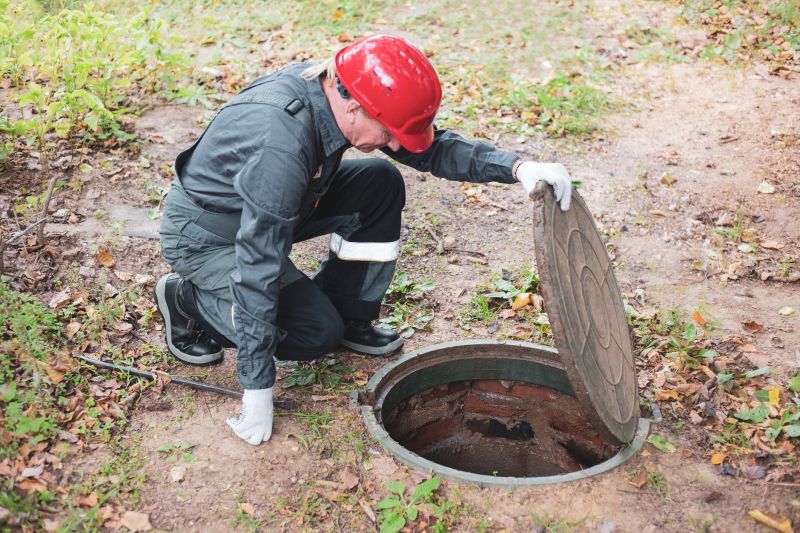
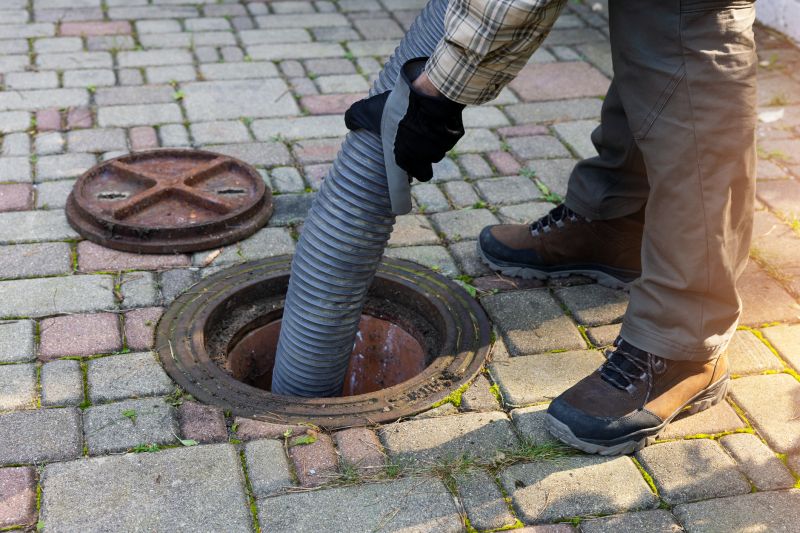
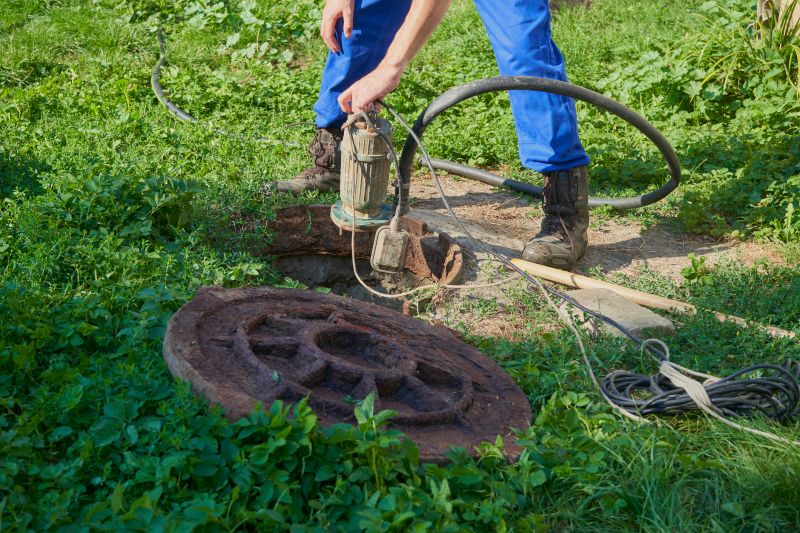
Key elements influencing costs include system size, location, and complexity.
Septic system inspections are essential for assessing the condition and functionality of a septic system. They help identify potential issues before they become costly repairs and ensure the system complies with local regulations. Understanding the typical scope and components involved can assist in planning and budgeting for the inspection process.
- Materials: Inspection involves examining existing components such as tanks, pipes, and drain fields, typically without the need for new materials.
- Size and Scope: The inspection covers the entire septic system, including tank condition, pipe integrity, and drain field performance.
- Labor Complexity: The process may require accessing underground or hard-to-reach parts, depending on the system's design and location.
- Permitting: Some jurisdictions may require permits or inspections to be officially documented, which can influence the overall process.
- Extras: Additional services such as pumping, cleaning, or detailed testing may be offered separately and can affect overall costs.
Inspection scope varies with system size and property specifics.
| Scope/Size | Typical Range |
|---|---|
| Septic Tank Capacity | 750-1,500 gallons |
| Number of Bedrooms | 1-4 bedrooms |
| System Age | Up to 20 years |
| Inspection Scope | Visual and functional assessment |
| Additional Repairs | Possible pumping or component replacement |
Costs for septic inspections can vary based on system size, age, and location, and are typically part of a broader assessment process.